
Apr 10, 20253 min read


Feb 14, 202519 min read


Feb 5, 20253 min read


Jan 21, 202510 min read


Jan 2, 20254 min read


Oct 17, 20244 min read


Aug 18, 20246 min read


Updated: Feb 24
by: Christopher Grace


Walk into almost any boardroom and you can feel it in the air. The dull hum of the projector. The stack of printeThed agendas no one reads. The quiet tapping of someone pretending to take notes while answering emails. The meeting has not even started and it already feels tired.
Boardrooms are meant to be places of power. Big ideas should be born there. Strategy should sharpen there. Decisions that move companies forward should happen there. Instead, too many meetings are safe, routine, and forgettable.
This is not a small problem. It costs real money. When ten people sit in a room for one hour, that is not just sixty minutes. It is ten hours of payroll. It is ten brains that could be solving problems. If the meeting drags, if it lacks purpose, if it drains energy instead of creating it, the cost multiplies.
As a CEO, you know this from the top. As an entry-level employee, you feel it from the bottom. The truth is simple. Most meetings are not boring because people are lazy. They are boring because they lack design.
A meeting is an experience. If you do not design the experience, you get the default setting. And the default setting is the Bored room.
Let’s change that.

Most meetings begin with a topic. They should begin with an outcome.
“Marketing update” is a topic.
“Decide which campaign gets funding and why” is an outcome.
When you start with a clear outcome, everything else becomes sharper. Who needs to be in the room. How long the meeting should be. What information is needed. What decision must be made.
If you are the CEO or team leader, ask yourself one simple question before sending the calendar invite. What will be different when this meeting ends?
Will a decision be made.
Will a problem be solved.
Will a plan be approved.
If you cannot answer that in one sentence, cancel the meeting.
For employees lower on the ladder, this matters too. If you are invited to a meeting with no clear outcome, ask for one. Not in a challenging way. In a helpful way. “What decision are we aiming to make?” That question alone can change the tone of the room.
Clarity creates energy. When people know why they are there, they show up differently.

Slides are not evil. But slides are often abused.
When every meeting becomes a long slideshow, people stop thinking. They become passive. They sit back. They wait to be told what to believe.
A better approach is conversation first, slides second.
If you must use slides, limit them. One idea per slide. Large words. Clear visuals. No paragraphs. If it looks like a document, it should be sent before the meeting, not read during it.
Here is a bold move. Try one meeting with no slides at all. Stand. Speak. Ask questions. Write ideas on a whiteboard in real time.
You will notice something shift. People lean in. They speak up. They feel part of the process.
Boardrooms should not feel like classrooms. They should feel like workshops.
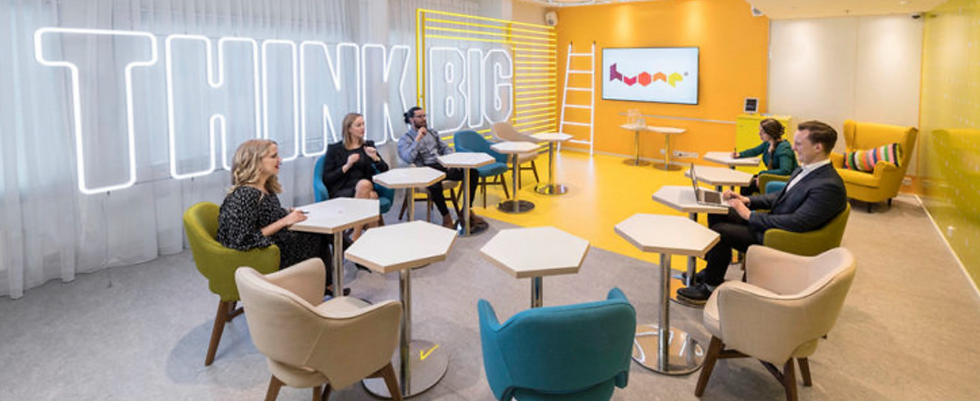
The typical boardroom layout is a long table with the most powerful person at the head. That setup sends a silent message about hierarchy and control.
Sometimes that is needed. Often it is not.
Try changing the room.
Use a round table for strategy sessions. It removes the “head of the table” effect.
Have people stand for short meetings. Energy rises when bodies are not stuck in chairs.
Bring in natural light and plants. It sounds small, but space affects mood.
If you cannot change the room, change how it is used. Move seats. Rearrange chairs. Remove the table for brainstorming sessions and stand around a whiteboard.
A simple shift in layout can spark a shift in thinking.
The room shapes the conversation more than we realize.

Too many meetings fail because too many people are in them.
When the room is full, responsibility spreads thin. People think someone else will speak up. Someone else will make the decision. Someone else will care.
Smaller groups create accountability. When there are four people in the room, silence feels heavier. Participation becomes natural.
Before scheduling, ask who truly needs to be there to achieve the outcome. Not who might want to be there. Not who has always been there. Who must be there.
If someone only needs the result, send them the summary later.
Time is expensive. Respect it.

Meetings expand to fill the time you give them.
If you schedule one hour, it will take one hour. If you schedule thirty minutes, it will likely take thirty.
Shorter meetings force clarity. They remove the filler. They push people to get to the point.
Try setting a visible timer in the room. It may feel uncomfortable at first. That discomfort creates focus.
When time is limited, conversations become sharper. Decisions happen faster.
A focused thirty-minute meeting can outperform a wandering ninety-minute one.

Most meetings open with updates. Reports. Numbers.
Try opening with a question instead.
What is the biggest risk we are ignoring right now.
What would our top competitor hope we never fix.
If we had to double results with half the budget, what would we cut.
A real question wakes people up. It signals that this is not just a status report. It is a thinking session.
As a CEO, your questions shape the culture. If you ask safe questions, you get safe answers. If you ask bold questions, you invite bold thinking.
Even junior team members can shift the tone. Ask something thoughtful early in the meeting. It shows engagement and it often leads to deeper conversation.
Curiosity beats routine every time.

In many meetings, the same three people talk. The rest nod.
This wastes talent.
One simple tool is structured turn-taking. Go around the room and ask each person for one insight or one concern. Keep it short. One minute each.
Another approach is silent idea writing. Give everyone five minutes to write down thoughts before discussion begins. Then collect and review them together.
This helps introverts. It helps new employees. It reduces the influence of rank.
Great ideas rarely care about job titles. They care about space.
When people feel heard, they engage more deeply. The meeting becomes shared, not owned by one voice.

Energy drops when bodies stay still.
Add movement on purpose.
Have small groups stand and work at different whiteboards.
Take part of the discussion outside for a short walking segment.
Ask people to move to a different seat halfway through.
Movement increases blood flow. Blood flow increases alertness. Alertness increases creativity.
It does not need to feel like a fitness class. It just needs to break the static pattern.
When the body wakes up, the mind often follows.

Numbers matter. Metrics matter. Data guides decisions.
But data alone rarely moves people.
Pair your numbers with stories. A real customer experience. A real challenge faced by a team member. A real mistake and what it taught you.
Stories create emotion. Emotion drives memory. Memory drives action.
As a leader, when you share a story of failure and growth, you build trust. When you highlight a small win from a junior employee, you build pride.
Meetings should not just inform. They should connect.

A great meeting that ends without clear action is a wasted opportunity.
Before closing, review what was decided. Assign names, not just tasks. Set deadlines. Make sure each person understands their role.
Do not assume clarity. Confirm it.
A simple closing round can help. Ask each person to state one action they will take before the next meeting.
This creates commitment. It turns conversation into progress.
The goal is not just a good discussion. The goal is movement.

Now let’s go one step further.
Even well-designed meetings can become predictable over time. Humans adapt quickly. What was fresh last quarter can feel routine by the next.
This is where surprise becomes powerful.
Surprise breaks patterns. It resets attention. It creates memory.
This does not mean turning your boardroom into a circus. It means adding a moment that people did not expect.
A creative icebreaker.
A short team challenge.
A guest speaker with a different perspective.
Or something even more unique.

Imagine this.
You begin your quarterly strategy session with a short, interactive performance. Not loud. Not flashy. Intelligent. Professional. Designed for a corporate audience.
A mentalist steps forward and reveals insights that feel impossible. He reads the room. He predicts decisions before they are spoken. He involves executives and junior staff alike.
For fifteen minutes, the room is fully alive. Phones are down. Eyes are up. People are laughing, thinking, reacting.
Why does this work?
Because mentalism is about perception, decision-making, and human behavior. The same elements that drive business.
A short performance can serve as more than entertainment. It can become a metaphor. It can highlight how easily we are influenced. How assumptions guide choices. How focus changes outcomes.
After that experience, the meeting that follows feels different. Energy is higher. Attention is sharper. The room feels connected.
This is not about distraction. It is about ignition.
Christopher Grace is not a typical entertainer. He is a corporate mentalist who understands business from the inside. His performances are designed for professional audiences. There is no crude humor. No embarrassing volunteers. No awkward moments.
He works on stage or in a meeting space with clean, sharp presentation. Executives can participate. Entry-level employees can participate. The experience feels shared.
What makes him stand out is his understanding of psychology and strategy. His performances are not random tricks. They are structured experiences that align with themes like leadership, perception, communication, and decision-making.
In a boardroom setting, he does not steal the spotlight. He enhances the environment. He creates a moment that people remember long after the meeting ends.
In a world where most meetings blur together, that matters.
A short mentalism segment at the start or end of a corporate meeting can reset culture. It signals that this company values creativity. That it respects attention. That it understands the power of experience.
The Bored room does not have to stay bored.
With thoughtful design, clear outcomes, real engagement, and a touch of intelligent surprise, your boardroom can become what it was always meant to be.
A place where ideas wake up.


Comments